松本育祥
まつもと やすよし
metal casting
Casting is the technique of creating a mold, pouring molten metal into it at high temperatures, and solidifying it into the desired shape. Casting, as a name for metal craftsmanship, primarily uses molds called sand molds for production.It is said that during the Yayoi period, the production of bronze weapons such as bronze bells and swords using stone molds was introduced from the Korean Peninsula. Furthermore, during the Asuka period, alongside the introduction of Buddhism, a new casting technique using clay molds called “mané” was introduced, leading to the creation of the Great Buddha of Tōdai-ji, the world’s largest cast metal object. From the medieval period onward, the craft spread and was passed down by foundry masters (imoji). In the Edo castle town of the early modern period, foundry masters such as Shiina Iyomori and Nishimura Izuminori were active.
About the Craftsman
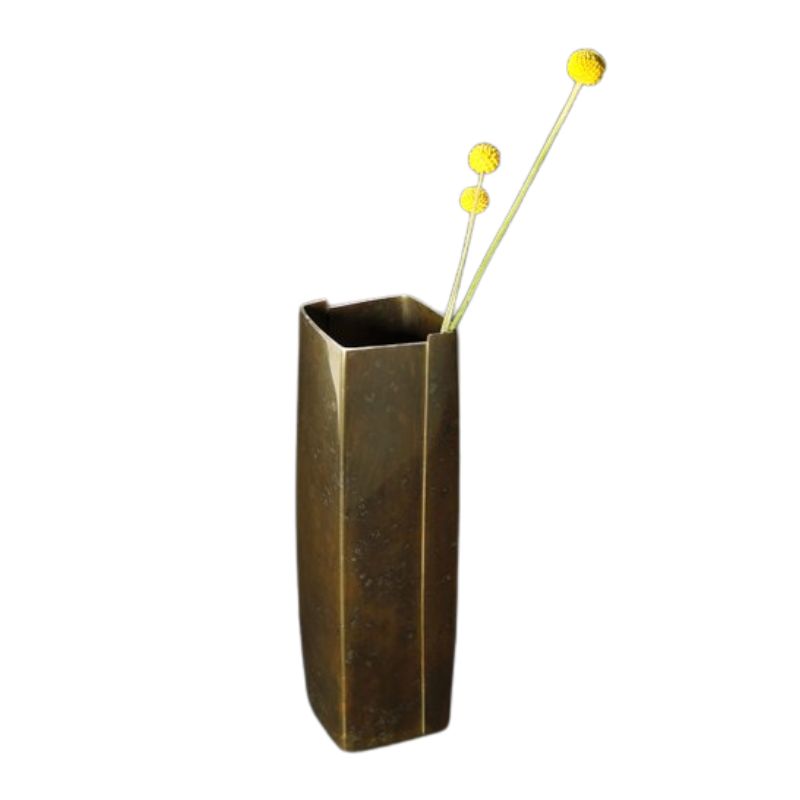
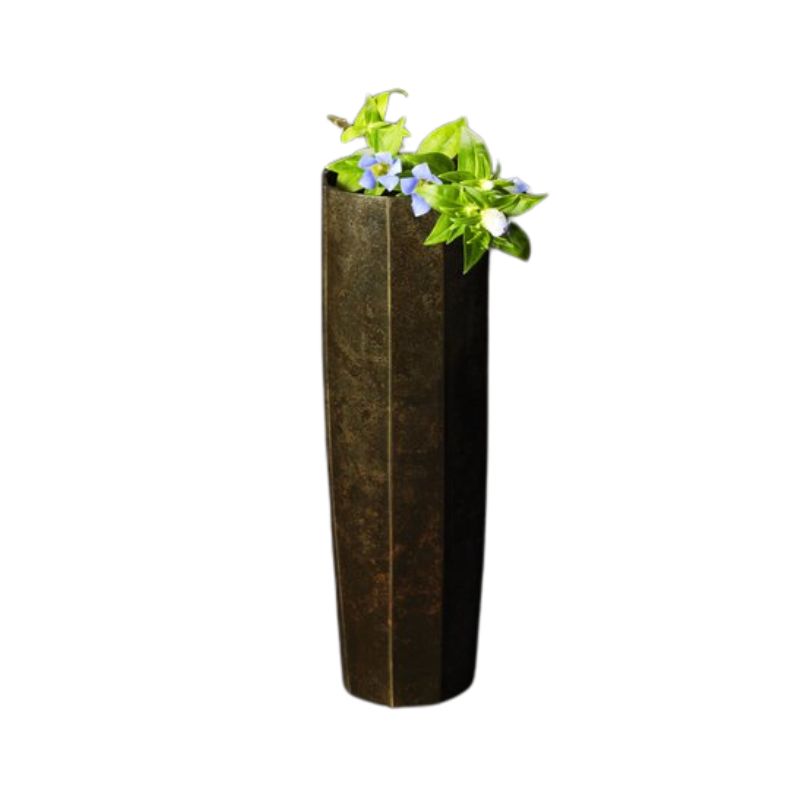
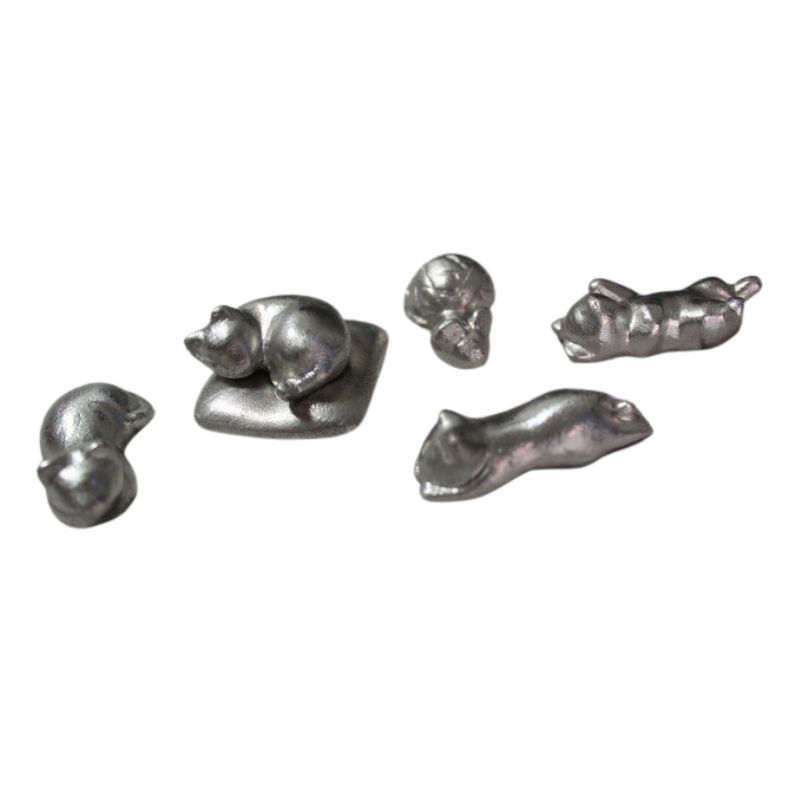
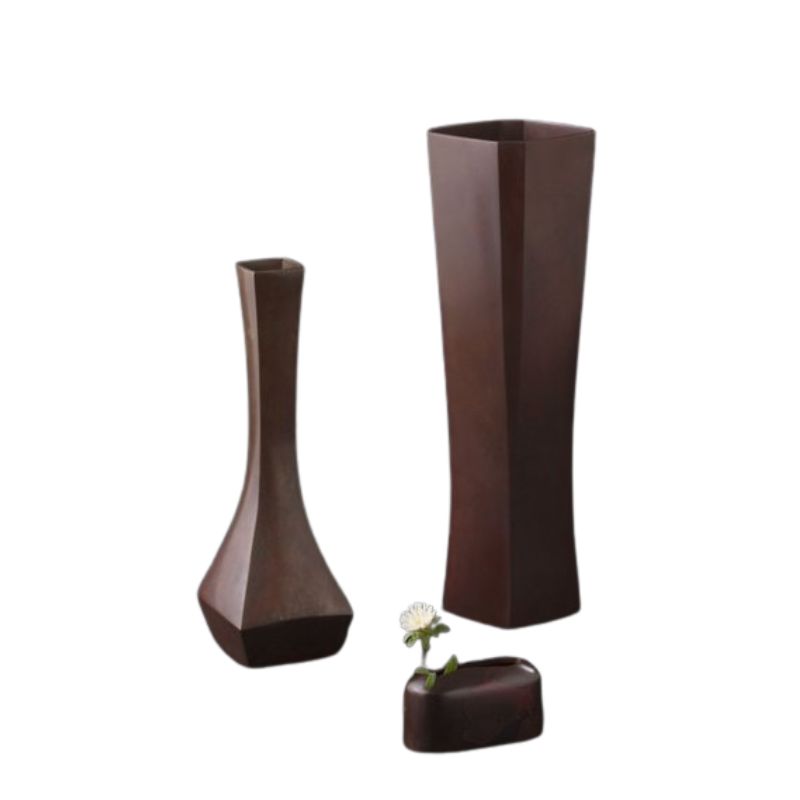
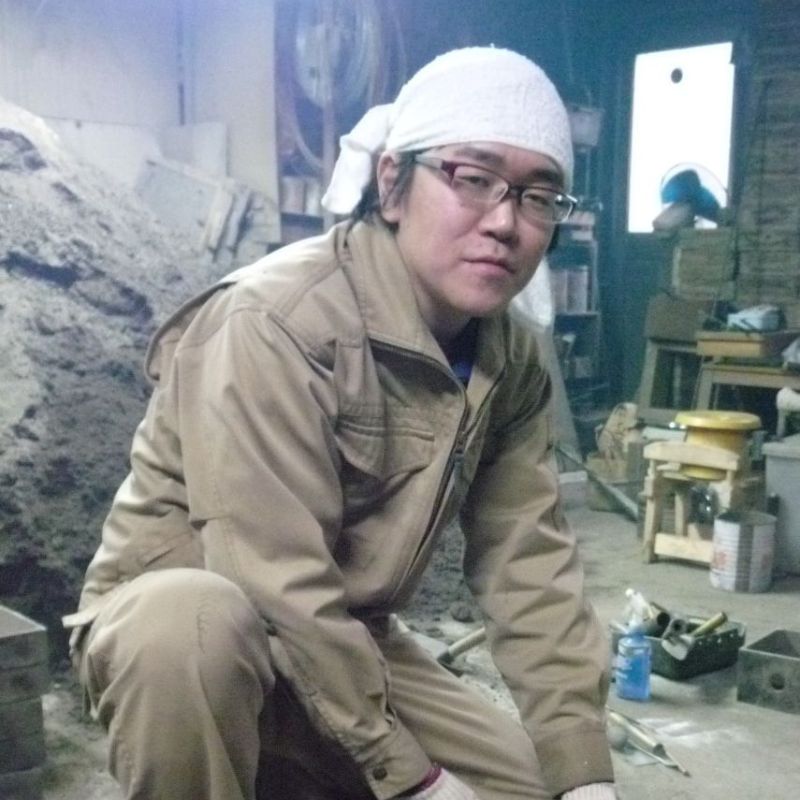
I studied graphic design in college, but I wanted to create something tangible. From April 2010 to March 2013, I utilized the Arakawa Craftsman Training Program to apprentice under my father, Ryuichi (a registered holder of intangible cultural heritage in the ward). Ryuichi studied under the late Jiro Horikawa (a former holder of designated intangible cultural heritage in Arakawa Ward) and learned casting techniques.Currently, alongside his father Ryuichi, he runs Horikawa Foundry, established in the Meiji era, producing flower vases, decorative items, and more.
Furthermore, the father-son duo continues to take on new challenges, such as submitting works to annual exhibitions together.
Achievements
- track record
Contact Us
- Location: 6-43-8 Nishi-Nippori, Arakawa Ward Horigawa Foundry Co., Ltd.
- Hours: 9:00 AM to 6:00 PM (Closed on Sundays and national holidays)
- Phone: 03-3893-1442
- Fax: 03-3893-1442
- Homepage: http://www7b.biglobe.ne.jp/~horikawaimoji/index.html