Arakawa's Artisans
Arakawa Ward Traditional Crafts Preservation Society
Artisanal Skills Still Passed Down Today in Arakawa
Artisanal Skills Still Passed Down Today in Arakawa
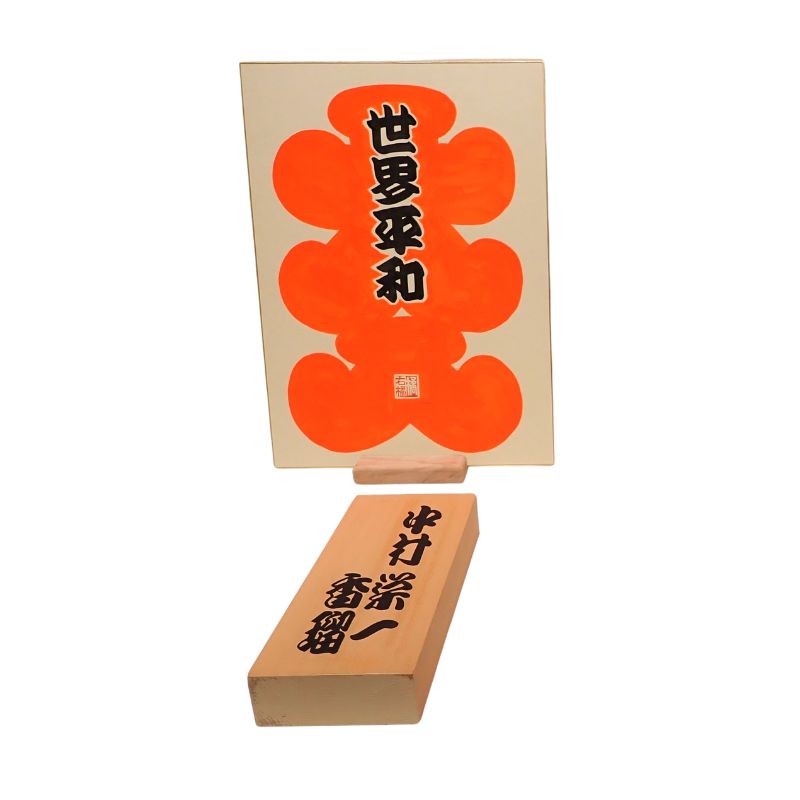
Kantei-ryū, Yose-moji, Edo-moji
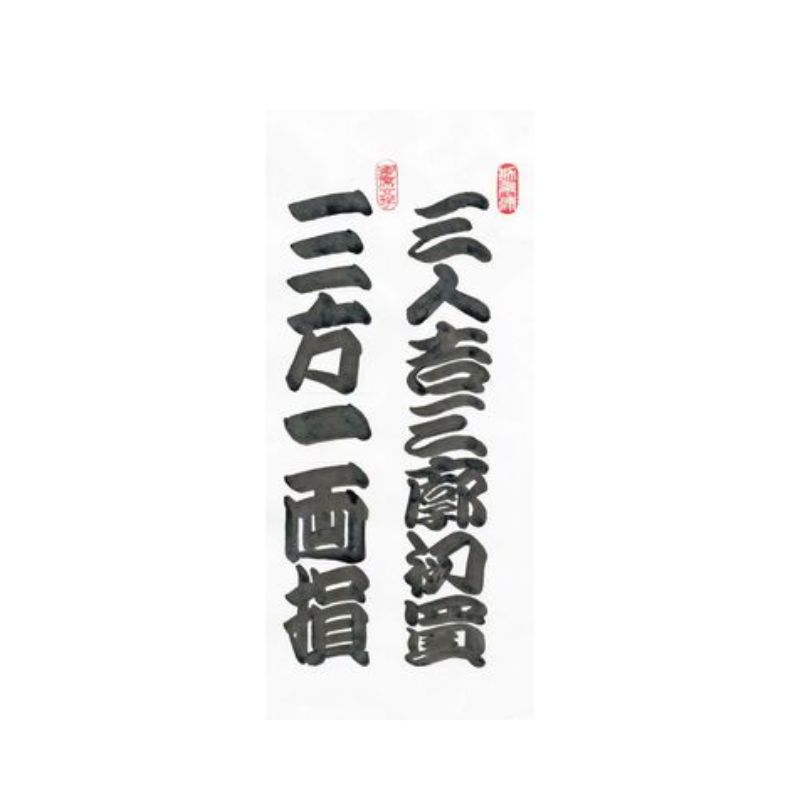
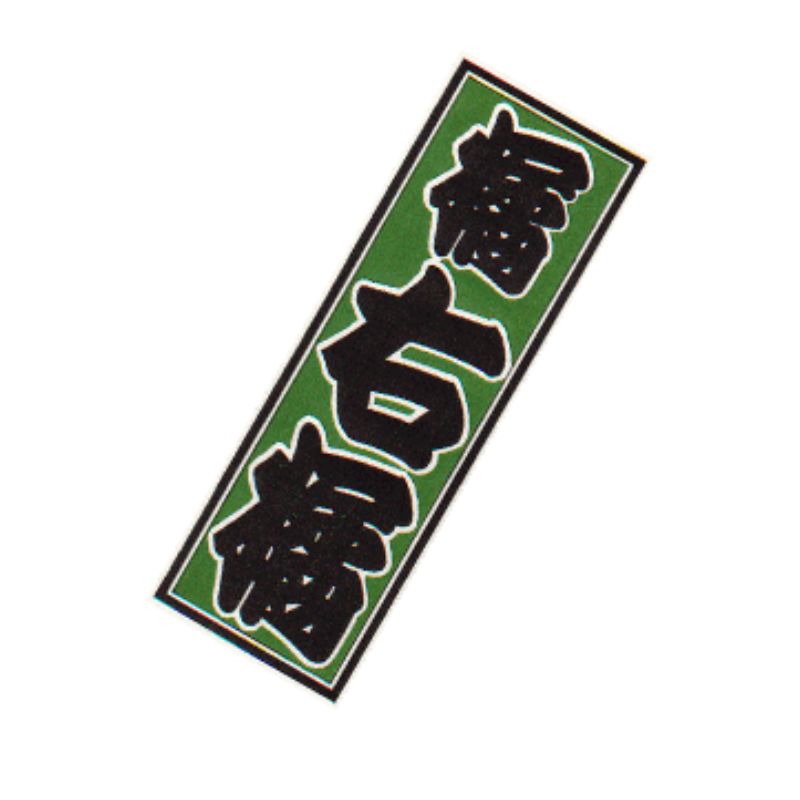
Edo-moji is a general term for decorative script styles that originated in Edo; these typefaces have been used in traditional comedy theaters (yose), Kabuki, and senja-fuda (prayer slips).
Yose-moji originated as the typeface used on flyers for yose comedy venues in the late Edo period. Later, hand-printed flyers using woodblocks began to be produced; initially called “bira-ji,” the style was renamed “Yose-moji” by Tachibana Ukon, a name that has been passed down to the present day.
Kantei-ryu is a typeface used in Kabuki, and Okazakiya Kanroku, a calligrapher of the Oie school, is considered its founder. It is said to have originated in 1778 (An'ei 8), when it was used on kabuki picture signs painted by the Torii school.
Furthermore, the term “Edo-moji” was coined by the “Toto Nosatsu Muku” association—which carries on the Edo tradition of senja-fuda (temple votive tablets)—to refer to the characters written on such tablets. It subsequently spread through scholarly works and is now used as a general term for the decorative calligraphic culture that originated in Edo.
Arakawa's Artisans

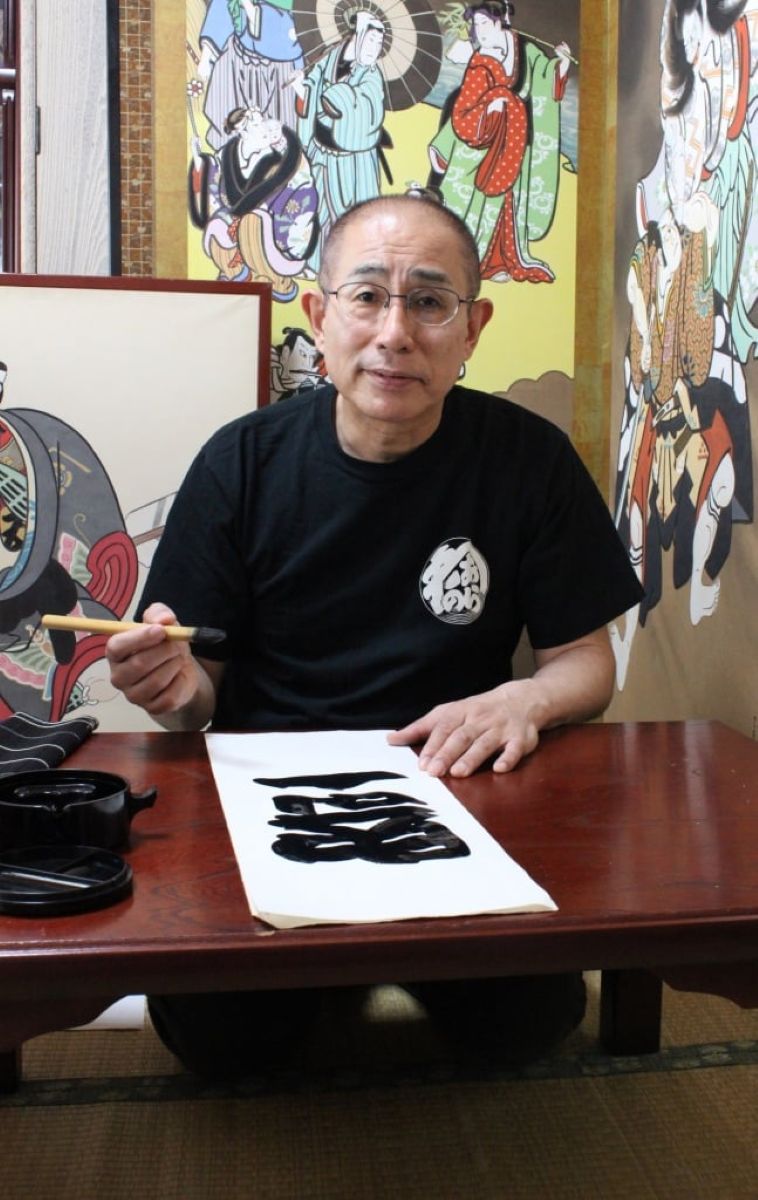
Yasushi Nakamura
Kantei-ryū, Yose-moji, Edo-moji