加藤金治
かとう きんじ
Shamisen
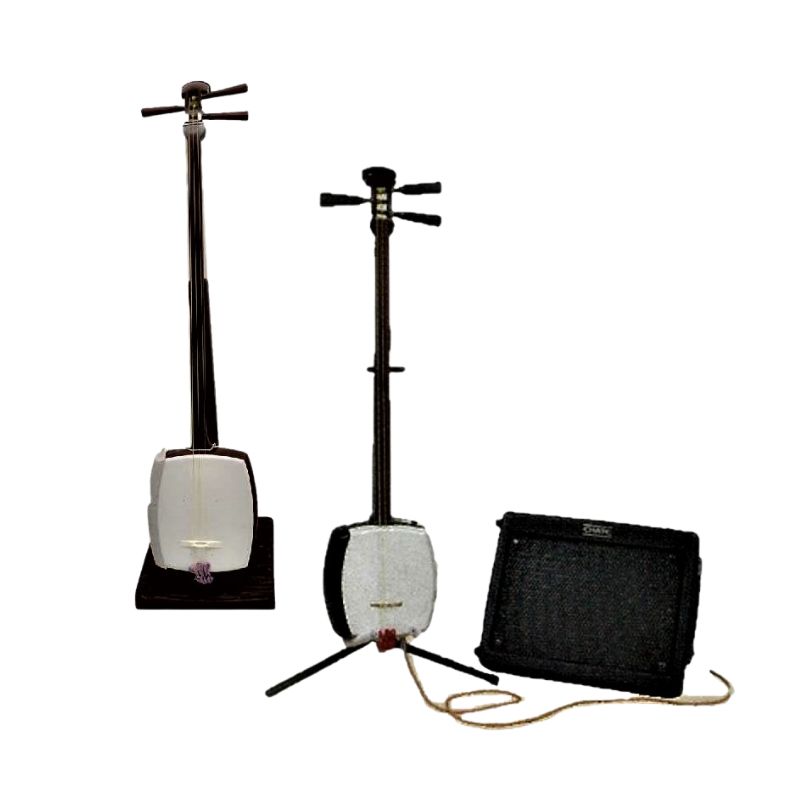
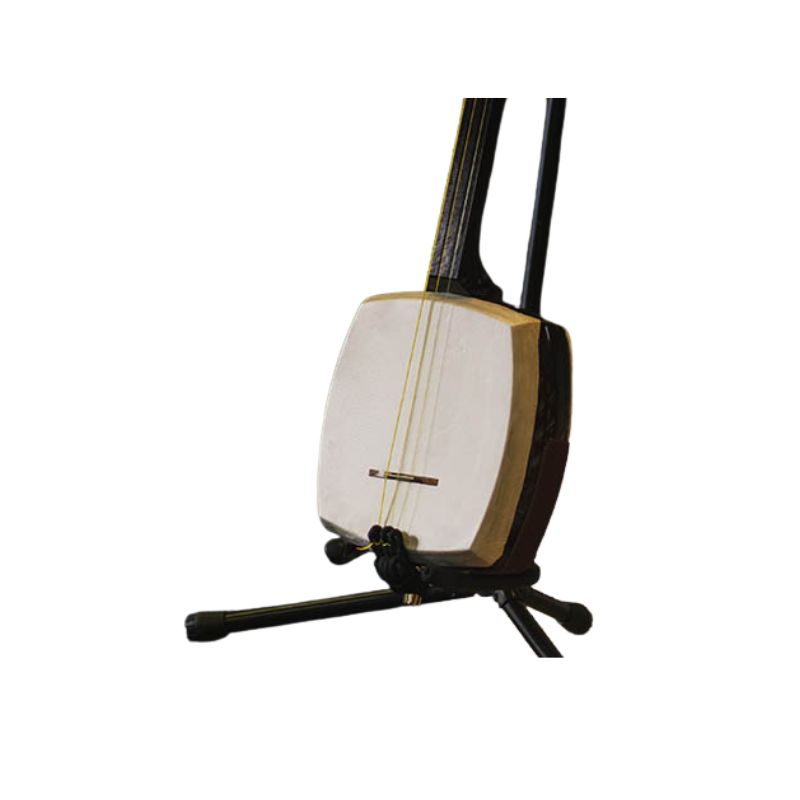
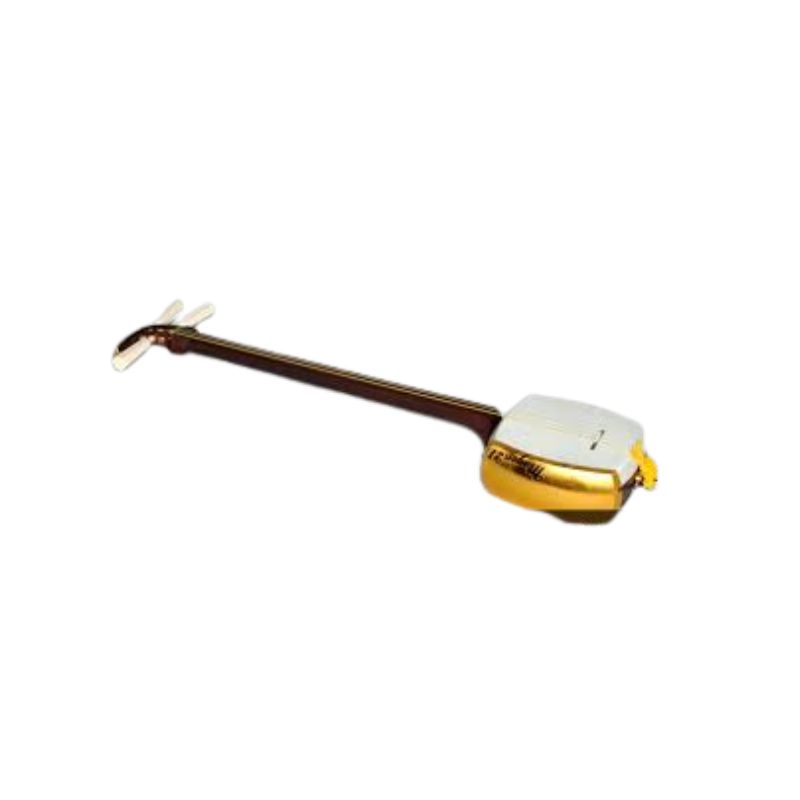
The origins trace back to the Eiroku era when snake-skin strings were introduced from Ryukyu.Later, snake skin was replaced by cat and dog skin, and drumsticks came into use for playing. During the Edo period, it rapidly spread alongside the popularity of performing arts like kabuki and bunraku.
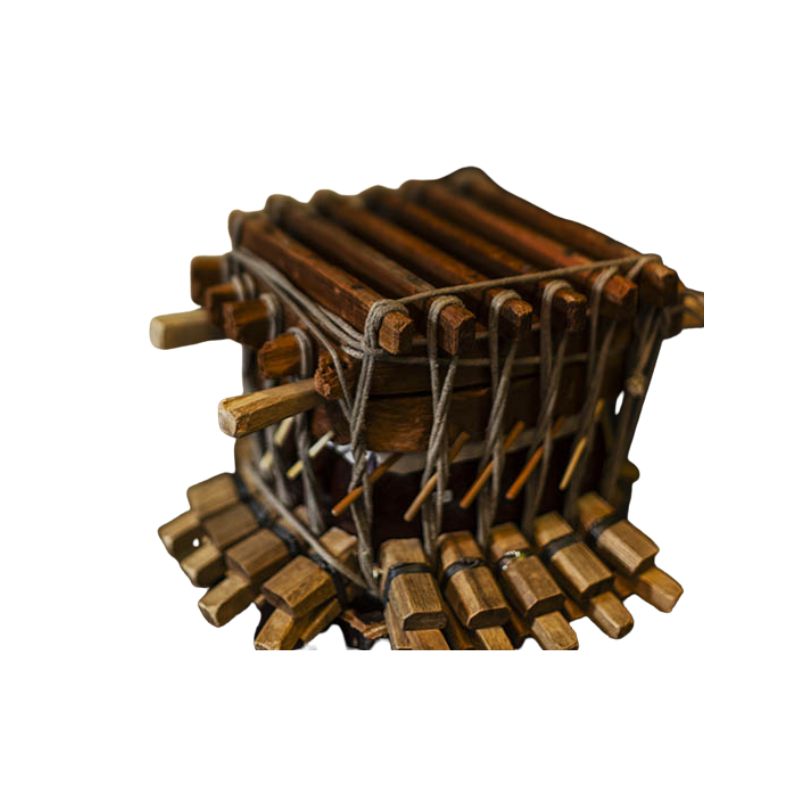
A division of labor emerged for crafting the shaft, making the paulownia wood body, and stretching the skin. Within the district, the skin-stretching technique has been passed down.
About the Craftsman
Mr. Kato trained under Mr. Kiyoshi Fujita, a shamisen skin-stretcher in Negishi, Taito Ward, mastering the craft.His father, Yosaku, was from Yamagata Prefecture and was a shamisen neck maker, known as a neck craftsman.
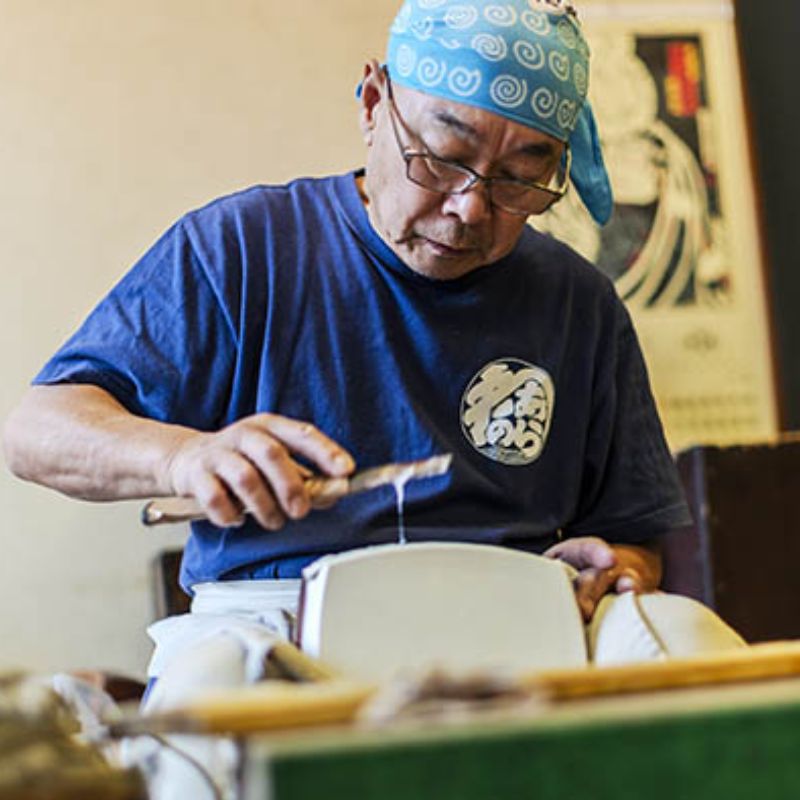
The craft of making shamisen is divided into three specialized processes: neck making, body making, and skin stretching. Kato handles the skin stretching, then attaches the neck and strings to complete the instrument. Skin stretching is a crucial process for producing the shamisen’s beautiful tone.
The shamisen, a traditional Japanese instrument, still has many enthusiasts today, making this craft indispensable.
In addition to traditional shamisen, Mr. Kato also crafts electric shamisen utilizing traditional craft techniques.
He also performs repairs, including re-skinning.
He currently runs the workshop alongside his successor, Mr. Masaru Kurahashi (a graduate of the Arakawa Craftsman Training Program).
Achievements
- Designated as a holder of an intangible cultural property registered by Arakawa Ward in fiscal year 2003
Contact Us
- Location: 6-26-4 Higashiogu, Arakawa Ward Shamisen Kato Co., Ltd.
- Hours: 10:00 AM to 6:00 PM (Closed on Sundays and national holidays)
- Phone: 03-3892-6363
- Fax: 03-3892-6337
- Homepage: http://www.shamisen-katoh.com (Available for online purchase)