Arakawa's Artisans
Arakawa Ward Traditional Crafts Preservation Society
Artisanal Skills Still Passed Down Today in Arakawa
Artisanal Skills Still Passed Down Today in Arakawa
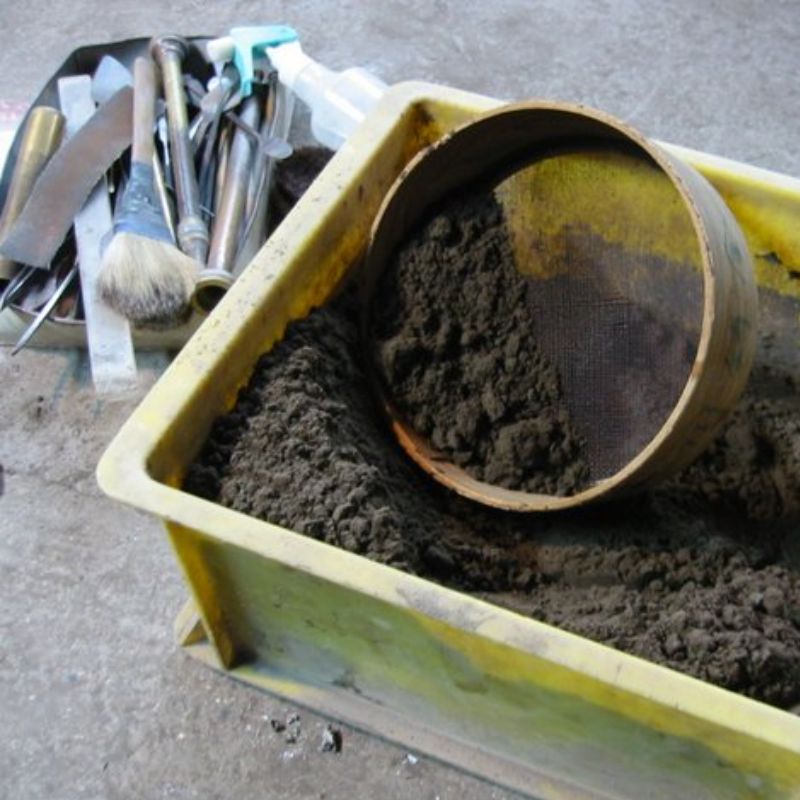
Sand
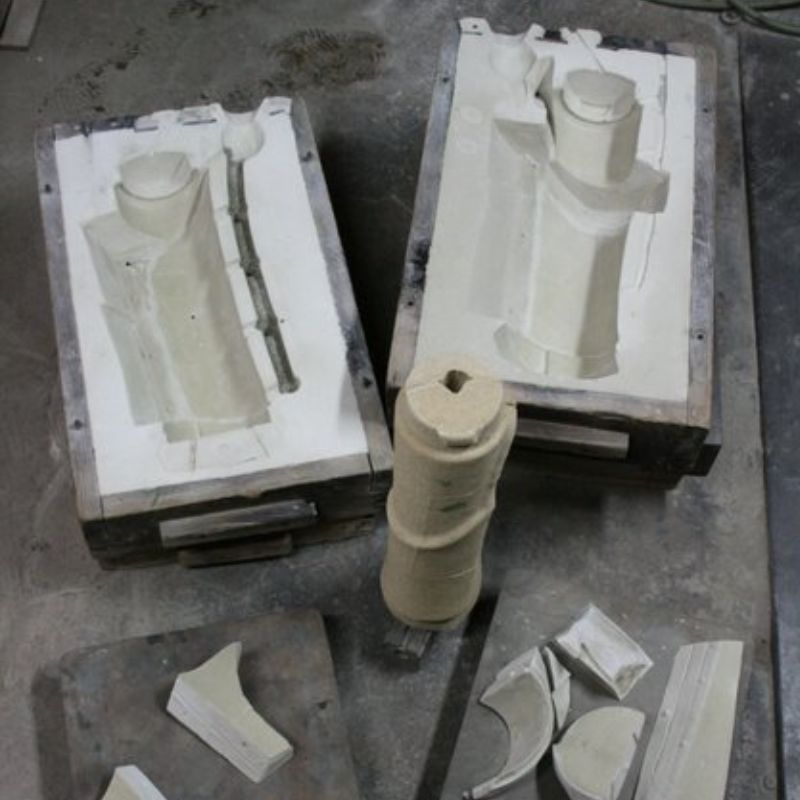
Prototypes and Casting
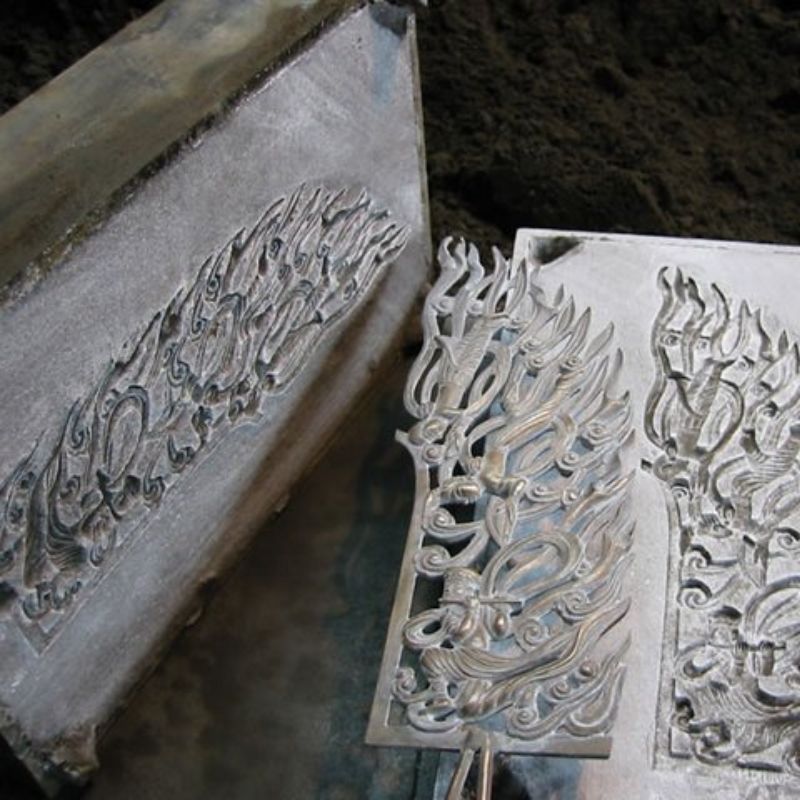
Fill the mold
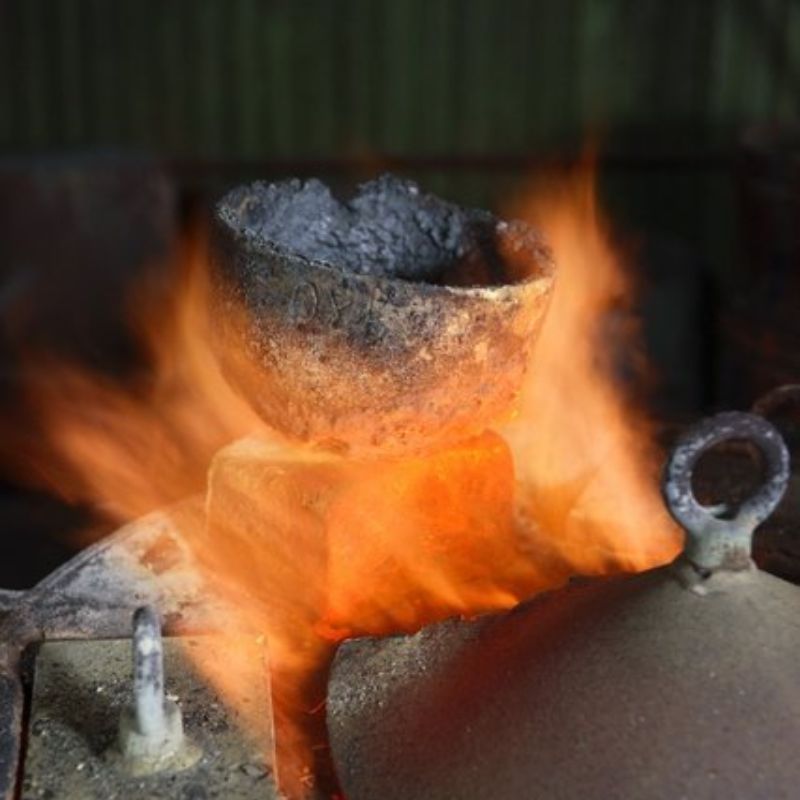
Furnace
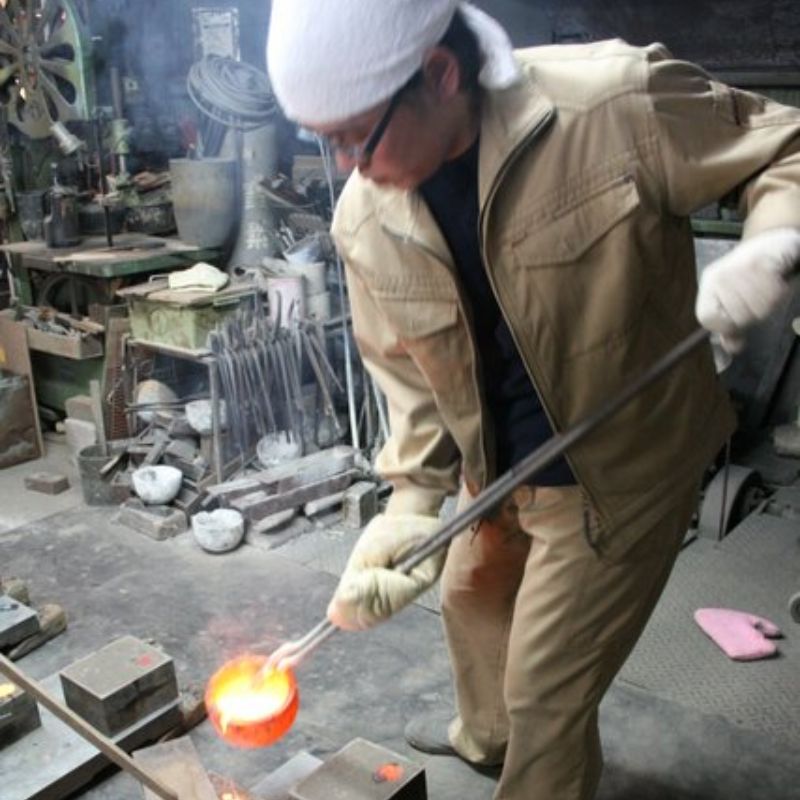
casting
Metal casting
A technique involving the creation of a mold into which molten metal is poured at high temperatures and allowed to solidify into the desired shape. Metal casting is a branch of metalcraft that involves creating metal products through this process, primarily using molds known as “sand molds.”
During the Yayoi period, bronze casting techniques using stone molds were introduced from the Korean Peninsula, leading to the production of military equipment such as bronze bells and swords. Furthermore, during the Asuka period, with the arrival of Buddhism, a new casting technique using clay molds called “mane” was introduced, making it possible to create the Great Buddha of Tōdai-ji, one of the world’s largest cast metal objects.
From the medieval period onward, this technique was spread and passed down throughout the country by master casters (imoji). In the early modern period, master casters such as Shiina Iyo-no-kami and Nishimura Izumi-no-kami were active in the Edo castle town.
The Work of an Artisan
How to Make Cast Metal Crafts (Green Sand Casting Method)- [Making the Mold] Moist foundry sand is placed into a mold box, and fine sand is sifted over the master model while being packed down to create a mold called a “green sand mold.” To achieve delicate shapes, the sand that comes into contact with the master model is made particularly fine.
- 【上下の型を合わせる】砂を固めて作った上下二つの型を合わせ、金属を流し込む空間を作って鋳型を完成させる。
- 【金属を溶かす】純錫などの金属をバーナーで加熱し、液体状になるまで溶かす。錫は約200℃程度で溶けるため比較的低温で鋳造できる。
- 【鋳込み】溶けた金属を鋳型の注ぎ口から流し込み、砂の中で冷やして固める。
- 【型を崩して取り出す】金属が固まったら砂型を崩し、鋳造された品物を取り出す。
- 【仕上げ】余分な部分を切り落とし、ヤスリで形や口当たりを整えて完成させる。
Arakawa's Artisans

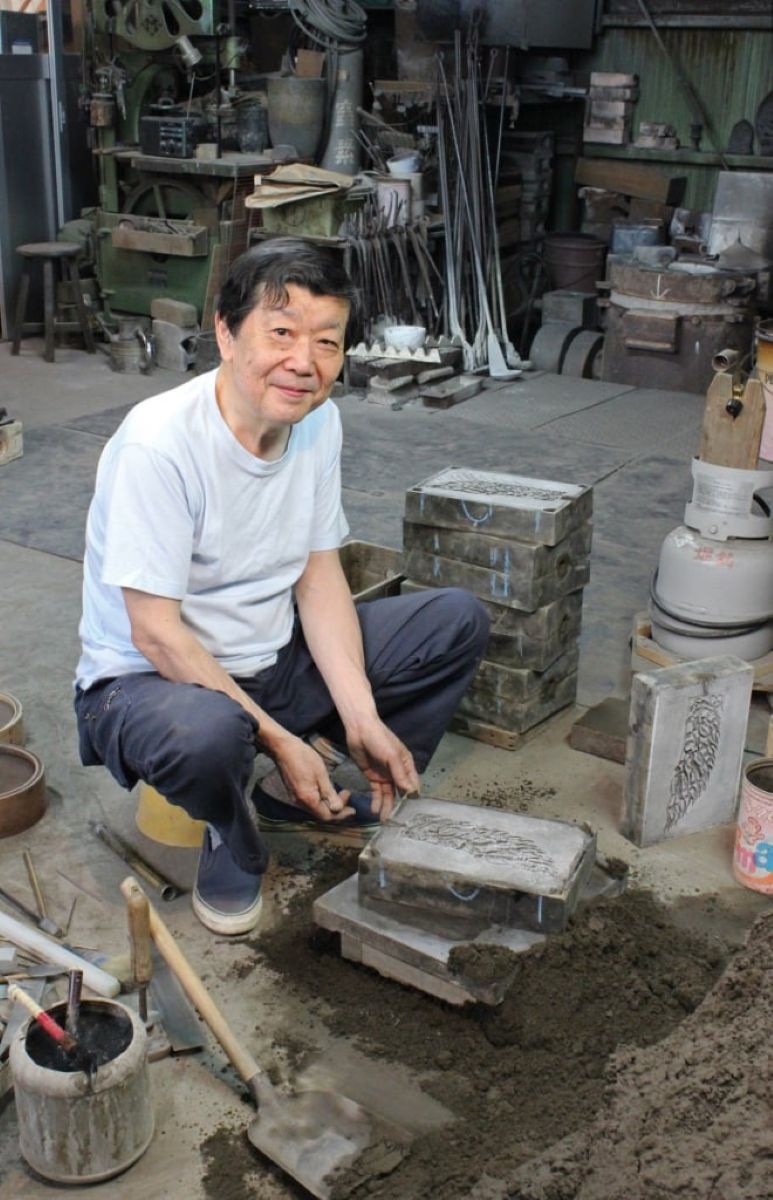
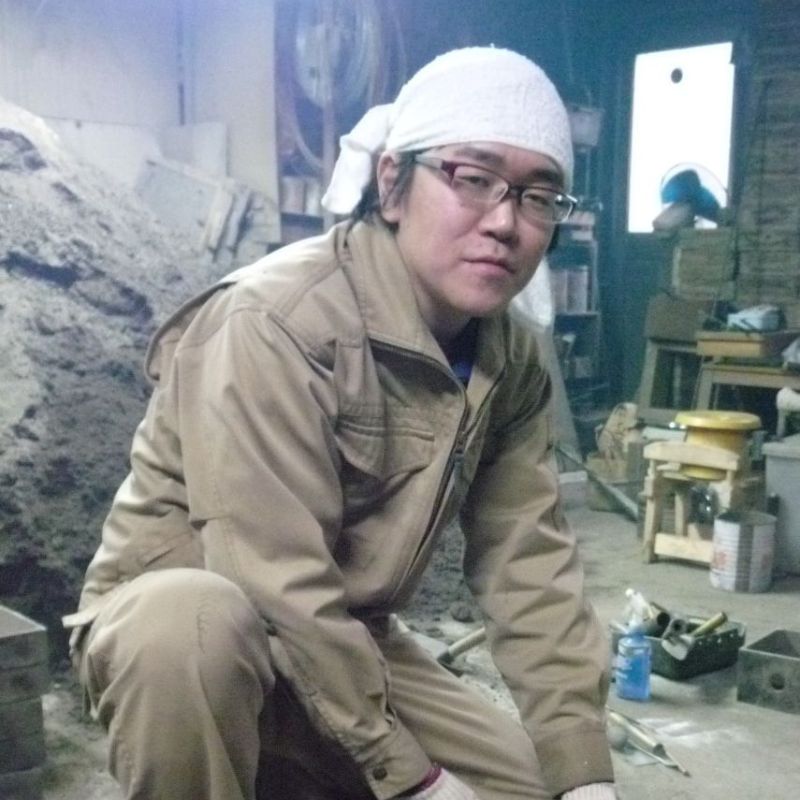
Ryuichi Matsumoto
Metal casting