松本 隆一
まつもと りゅういち
metal casting
Metal casting is the technique of creating a mold, pouring molten metal into it at high temperatures, and solidifying it into the desired shape. Casting, as a name for metal craftsmanship, primarily uses molds called sand molds for production.It is said that during the Yayoi period, the production of bronze weapons such as bronze bells and swords using stone molds was introduced from the Korean Peninsula. Furthermore, during the Asuka period, alongside the introduction of Buddhism, a new casting technique using clay molds called “mané” was introduced, leading to the production of the Great Buddha of Tōdai-ji, the world’s largest cast metal object. From the medieval period onward, the craft spread and was passed down by foundry masters (imoji). In the Edo castle town of the early modern period, foundry masters such as Shiina Iyomori and Nishimura Izuminori were active.
About the Craftsman
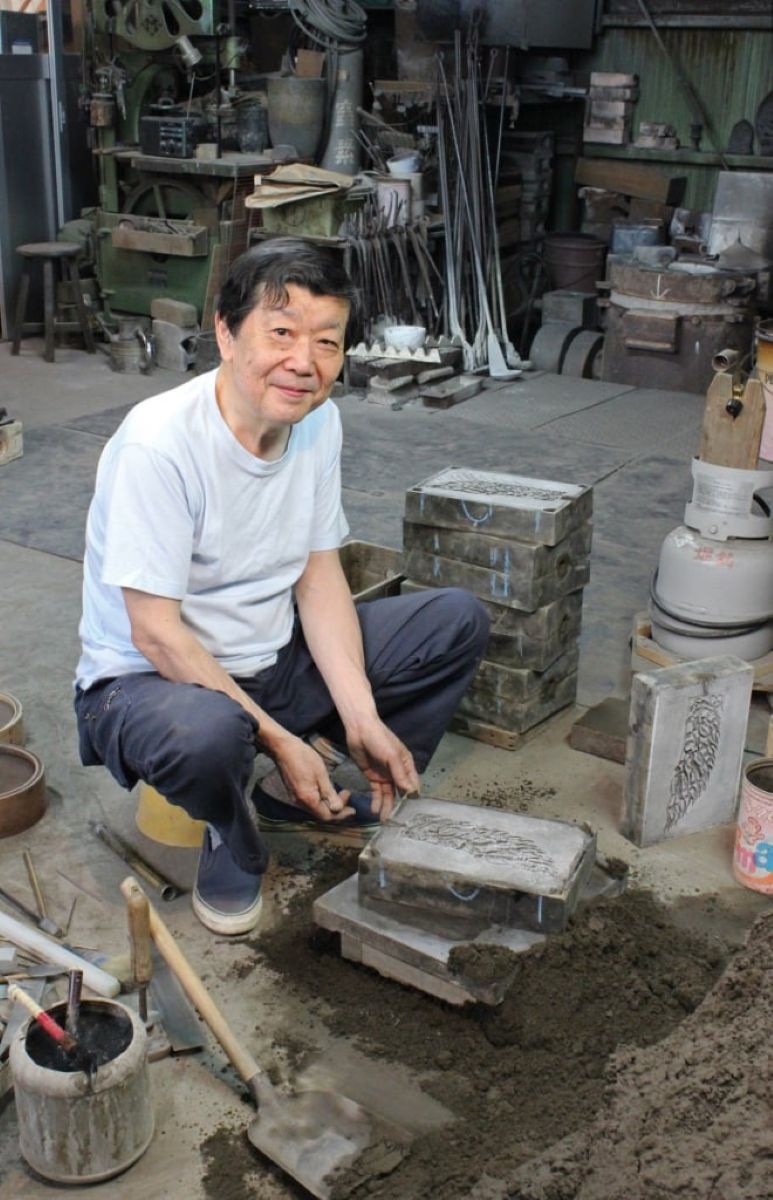
After studying design at Tama Art University and graduating, he worked for a company for a time. In 1975, he began studying under his father-in-law, the late Mr. Tsugio Horikawa (formerly a designated holder of intangible cultural property by Arakawa Ward), learning casting techniques. He later took over the Horikawa Foundry, established during the Meiji era.For finishing techniques, he trained under master metalworker Mr. Watanabe Tadashi (recipient of the Medal with Purple Ribbon and the Fourth Class Order of the Rising Sun).
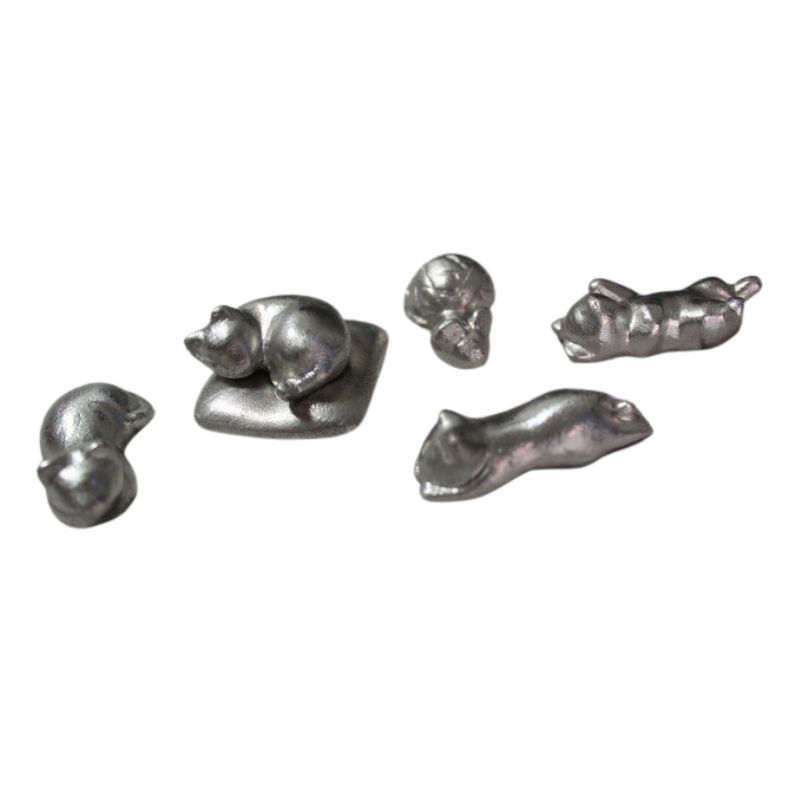
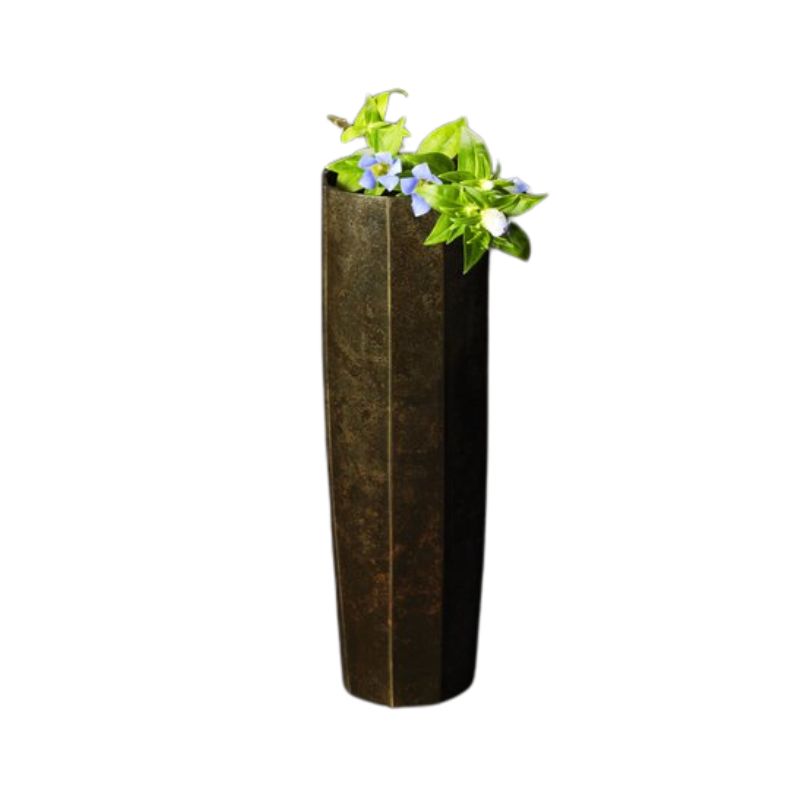
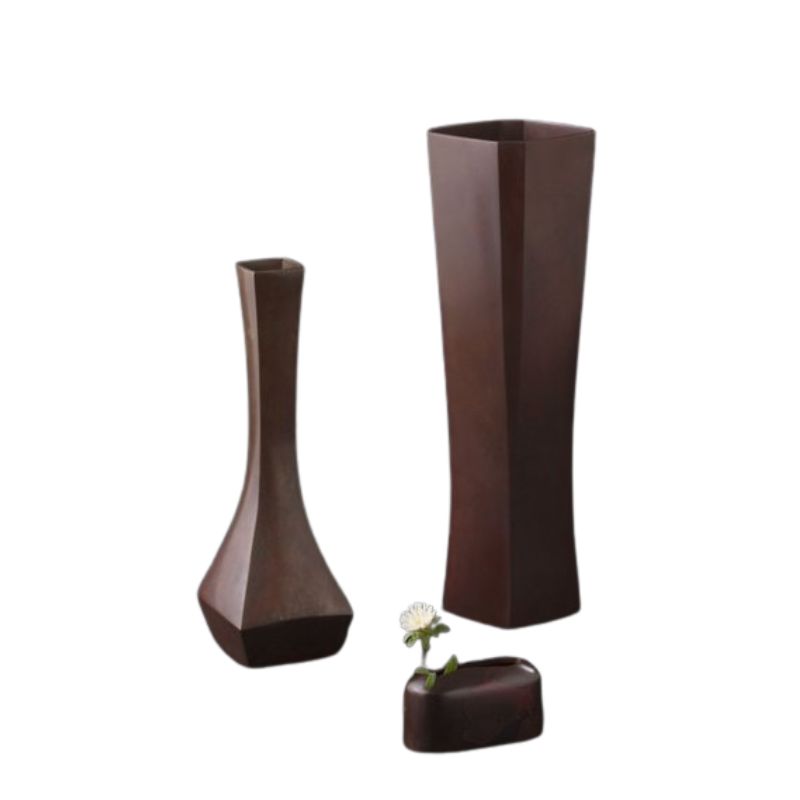
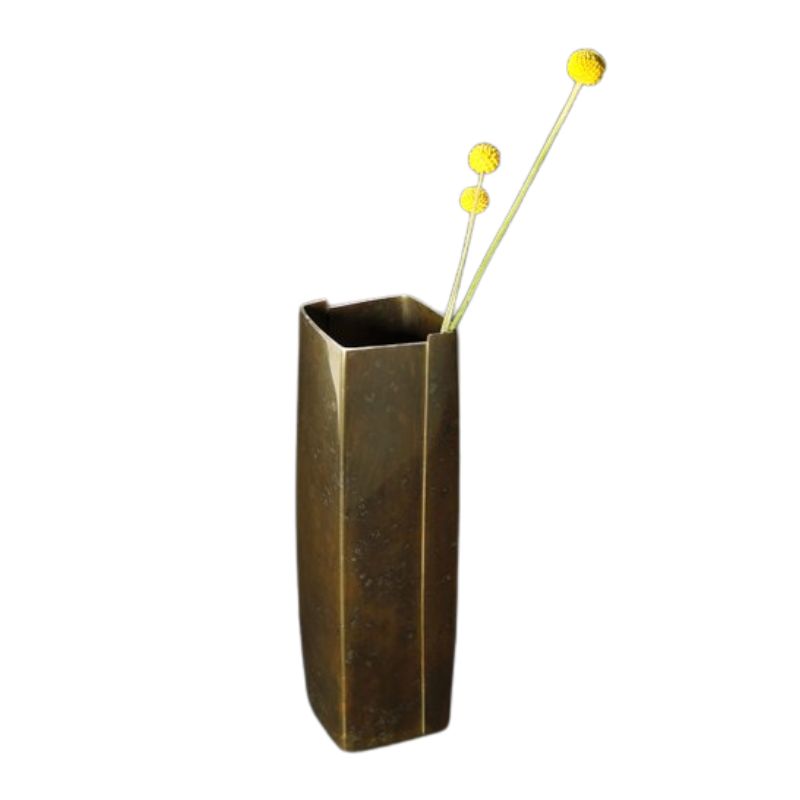
Currently, he runs Horikawa Foundry alongside his successor, his son Ikuyoshi, creating works ranging from artistic crafts like flower vases to lettering signs.
Achievements
- Designated as a Holder of Intangible Cultural Properties Registered in Arakawa Ward in Fiscal Year 2000
Contact Us
- Location: 6-43-8 Nishi-Nippori, Arakawa Ward Horigawa Foundry Co., Ltd.
- Hours: 9:00 AM to 6:00 PM (Closed on Sundays and national holidays)
- Phone: 03-3893-1442
- Fax: 03-3893-1442
- Homepage: http://www7b.biglobe.ne.jp/~horikawaimoji/index.html